
Jul 7, 2025
Tub to Shower Conversion Pros and Cons
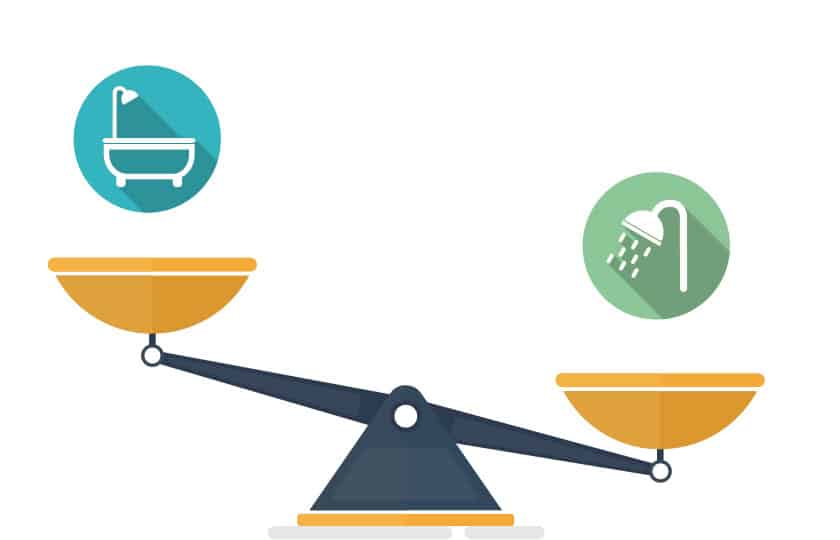
Are you thinking about remodeling and redesigning your bathroom? Whether you’ve bought an older home with a bathroom that is outdated or your own family bathroom no longer fits your needs, a bathroom remodel is a common upgrade to your home. One of the most common remodeling jobs in a bathroom is to replace the bathtub with a shower. This is a common change for lots of reasons. Maybe your children have outgrown the stage where you need a bath to wash them and you think a walk-in shower would be nicer to have and would look better in your bathroom. Perhaps you’re tired of the shower head over your bath sitting too low, or maybe your bath has just seen better days.
A lot of people love a bath for a relaxing soak, but a lot of people are choosing to get rid of the baths or bath/shower head combinations entirely and are opting to have a free-standing shower instead. This is partly due to the busy lives we all lead now, as many people find a shower to be invigorating and more efficient than taking a bath. It also helps you to save on water.
Some people feel that a bath is an essential thing that all homes should have. However, according to many estate agents, it won’t have any real effect on your sale price. You can always choose to reinstall a bath if you want to sell in the future and find that buyers really want a bath.
Swapping your old bath out for a brand new shower enclosure is actually a pretty straightforward task, rather than a large renovation. In fact, you can probably manage to complete this change over a couple of days.
Perhaps you’re just tired of the way that your bathroom looks and feel as though it’s time for a refresh. As with any level of a home remodel, there is a lot that you should consider first before you go for it. Carefully weigh up the pros and cons of ditching your bathtub in favor of a shower to help you make the right decisions for your bathroom.
The Pros of a Tub to Shower Conversion
You Boost the Value of Your Home
If you own your home and think you might want to sell at some point in the future, then a tub-to-shower conversion could add value to your home. This popular upgrade often delivers a stronger return than many cosmetic projects.
A Shower Takes up Less Room Than a Tub
If your bath currently eats most of the space, replacing it with a shower can free up valuable square footage. Even a 30″ × 30″ enclosure can work in tight layouts—letting you reallocate space for storage, a wider vanity, or better traffic flow.
You’ll Save Money on Your Water Bill
Showers typically use less water than filling a tub—especially with efficient showerheads—so families often see meaningful utility savings over time.
You Can Improve the Safety of Your Home
Low step-in, optional grab bars, and bench seating reduce slip-and-fall risk compared with stepping over a tall tub wall. If accessibility is a goal, a curbless or low-threshold shower can make daily bathing safer and simpler.
The Perception of More Space
Clear glass walls and a streamlined layout can make even a small bathroom look larger and brighter—even when the new shower’s footprint grows.
Easier Access
Doorless entries, wider openings, and integrated seating improve maneuverability. With thoughtful planning, you can future-proof the space for aging in place.
The Cons of a Tub to Shower Conversion
Kids Love Baths
If you have only one bathroom and young children, keeping at least one tub in the home can be practical. Otherwise, plan to re-add a tub later or keep one elsewhere in the house.
Your Home Might Be Less Appealing When You Sell
Some family buyers prefer at least one bathtub. If you have no other tubs, removing the only one could narrow your buyer pool. Weigh your timeline to sell before committing.
No Tub for Soaking
If long soaks are part of your routine, consider a shower-over-tub setup or keep a tub in another bathroom to preserve that option.
How To Replace Your Tub With A Shower
Measure Your Bath and Check Plumbing
Confirm the alcove dimensions and note existing valve/drain locations to minimize re-routing. Keeping the shower where the tub was typically lowers cost and timeline.
Get Inspiration and Advice
Collect looks you love, then review feasibility with a pro. A specialist can match style, access needs, and budget. If you’re considering a broader refresh, explore a full bathroom remodel.
Choose Your Shower Enclosure
Rectangular is most common, but curved or corner units can optimize tight rooms. Decide on doors (hinged, bypass) or a walk-in screen for a spa look.
Choose Your Shower
From simple mixers to rain heads and handhelds, pick hardware that fits how you bathe. Handhelds improve flexibility for kids, pets, and cleaning.
Choose Your Wall Covering
Tile offers endless design; wall panels provide seamless, quick-to-install options. Either way, prioritize proper waterproofing behind the surface.
Add Some Finishing Touches
Plan storage (niches, shelves), towel placement, hooks, and lighting. Small upgrades make daily use easier and the room feel finished.
FAQ: Tub-to-Shower Conversions
Q: How much does a tub-to-shower conversion cost?
A: Most projects range from $7,500–$15,000 depending on size, surround material, glass, and added features like benches or niches.
Q: How long does it take?
A: Typically 1–2 weeks for a straightforward conversion; up to 3 weeks if moving plumbing or doing a larger remodel.
Q: Do I need to move plumbing?
A: Not usually. Reusing the tub’s location keeps costs down. Relocating valves or drains adds rough-in time and budget.
Q: Can I do demolition myself?
A: DIY demo can save money, but leave waterproofing and plumbing to licensed pros to avoid leaks and structural issues. Start the process via our contact page.
Q: What about accessibility and safety?
A: Low thresholds, grab bars, and bench seating can be integrated into any shower remodel for safer daily use.