
Jul 18, 2025
Walk-In Tub Signs
In Walk In Tub
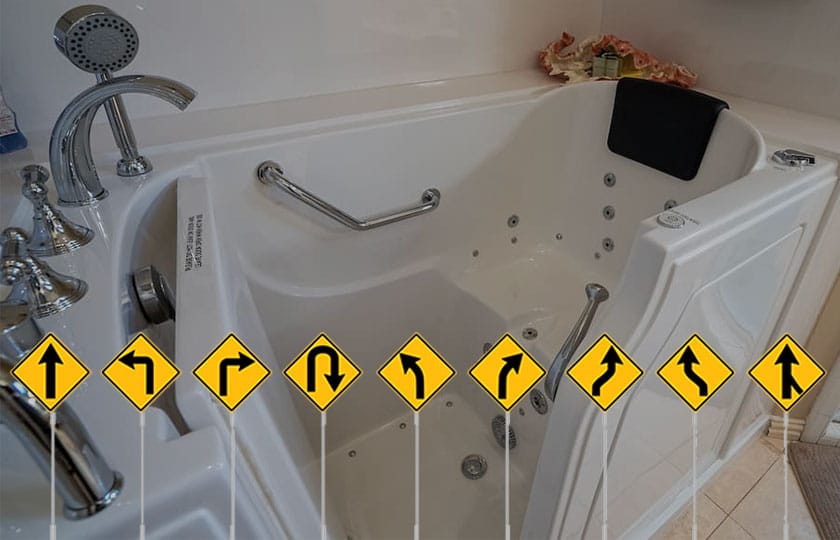
A bathroom should be a private haven where you can take care of all of your own needs. Walk-in bathtubs are specifically designed to accomplish this by enabling the elderly, wheelchair users, and anyone with mobility challenges with a safe and convenient method to take a relaxing dip in the tub.
It is possible to choose from a variety of various walk-in tub models, and the price of the tub and the cost of installation might vary significantly from one another. Walk-in tubs are becoming increasingly popular. In this article, we’ll explain what a walk-in bathtub is and walk-in tub cost, any warranties that may come with your tub, and whether or not insurance can help offset the cost.
The use of walk-in bathtubs is intended to make bathing easier and safer for the elderly and other people who have mobility problems. Various versions are available, ranging from basic “soaker” units to luxurious ones with spa-like features.
All walk-in tubs are not made equal, and the same can be said about the overall expense of the bathing experience. After all, there is more to the entire cost of a walk-in tub than just the tub’s purchase price. Installation costs must also be taken into consideration, including any necessary bathroom modifications and plumbing upgrades.
What Is A Walk-In Bathtub, And How Do They Work?
It is exactly what it sounds like: a bathtub that is designed to be entered through a low door. Individuals who have difficulty climbing into and out of regular bathtubs will find these tubs to be more accessible, minimizing the likelihood of slipping and falling. Walk-in tubs are constructed with vertical elements to support an upright seated position and often include footholds, grab bars, and an integrated seat to reduce strain.
Walk In Tub Cost
For a basic soaker, walk-in tubs cost approximately $2,000, but they may cost as much as $20,000 for a two-person tub that provides a spa-like experience. The cost of a walk-in tub is primarily dictated by the features and materials used. Many lower-priced soaker walk-in tubs are constructed of fiberglass with a gel coat finish, while higher-end tubs often use more durable acrylic.
If you’re wondering where to get your tub, you can get it directly from the manufacturer, through a dealer, or via your remodeler. American Walk-In Tubs has a wide range of walk-in tubs with installation and warranty options.
What Is the Average Cost of Installing a Walk-In Tub?
The cost of a walk-in tub installation typically runs between $2,000 and $10,000, but it is always worth getting a written quote for a firm price. Installation prices depend on plumbing, electrical, bathroom layout, and finishes. Common line items include:
- Clearing a clog or replacing inadequate drain piping to improve drainage ($250–$2,500)
- Replacing or relocating water supply hardware ($500–$2,500)
- Tile or drywall repairs after accessing supply lines ($1,000–$5,000)
- New flooring or tile due to different tub dimensions ($500–$3,500)
- Widening the bathroom door or other accessibility modifications (typically 28–32″ wide tubs; $1,500–$3,500)
Want an apples-to-apples price? Start with a quick consult for a full bathroom remodel or targeted upgrade, and we’ll itemize what’s needed for your home.
The Cost Of A Walk-In Tub Is Determined By Several Factors
In general, features that increase the price are those that increase comfort, safety, or add luxury elements to the bathing experience. Examples include:
- Custom grab bars and textured floors
- Fast-fill and quick-drain systems
- Outward-swinging or wider doors
- Handheld showerhead integration
- Larger/deeper shells and transfer seats
- Heated backrest and seat
- Hydrotherapy water jets and/or air jets
- Chromatherapy lighting and aromatherapy
- Foot/calf massagers
The Advantages And Disadvantages Of Walk-In Baths
Advantages Of Walk-In Tubs
Water depth — Walk-in tubs typically allow a much deeper soak (up to ~4 feet) than standard tubs (~13–14 inches).
Safety — Low thresholds, integrated seating, grab bars, and textured floors reduce fall risk.
Amenities — Spa-like options (jets, heating, massage) provide comfort and potential therapeutic relief.
The Disadvantages Of Walk-In Baths
Cost — Higher upfront product + installation cost than standard tubs.
Flooding risk — Doors must be properly latched/sealed; outward-swinging doors require careful operation.
Fill/drain time — Larger water volume means you wait inside the tub during filling and draining (quick-drain helps).
Warranties And Insurance Coverage For Walk-In Tubs
Coverage varies by brand and model. Many offer lifetime coverage on the shell/frame/door seal and 5–10 years on motors, controls, finishes, and fittings. See American Walk-In Tubs for current warranty details.
Will Medicare/Medicaid Cover The Cost Of A Walk-In Tub?
Traditional Medicare typically doesn’t cover walk-in tubs as durable medical equipment. Some programs (including certain Medicaid waivers) may help when medically necessary. Always verify with your provider and consider potential medical expense deductions with a tax professional.
Is A Walk-In Tub The Best Option For You?
Walk-in tubs are a fantastic option for anyone who wants safer bathing and spa-level comfort. Not sure if it’s the right fit? Consider a tub-to-shower conversion or plan a full bathroom upgrade with a local bathroom remodeling company you trust.
FAQ: Walk-In Tubs
Q: How much do walk-in tubs cost installed?
A: Most homeowners invest between $15,000–$25,000 all-in, depending on features and the scope of installation work.
Q: How long does installation take?
A: Typically 1–2 days; add time if plumbing/electrical or finish work (tile/drywall/flooring) is required.
Q: Can I add a shower to a walk-in tub?
A: Yes. Most models integrate a handheld showerhead so you can bathe or shower from the seat.
Q: Do walk-in tubs help with arthritis or circulation?
A: Warm-water soaks and hydro/air jets can ease stiffness, promote circulation, and support relaxation.
Q: Which brands do you install?
A: We install American Walk-In Tubs and can advise on sizes, seats, and features for your needs.